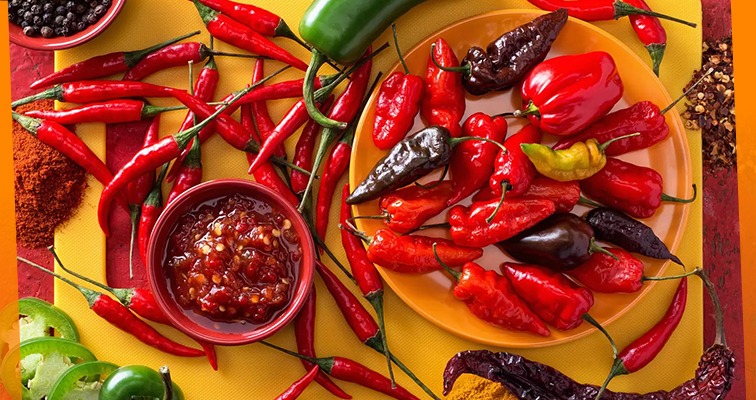
Few sensations in the culinary world spark as much excitement—or debate—as spiciness. For some, the burn of chilies is a thrill that keeps them coming back for more; for others, it’s a punishment best avoided. Yet across continents, spicy food has carved its place as not just a flavor, but a cultural identity.
The heat in chili peppers comes from capsaicin, a compound that binds to pain receptors on the tongue. Instead of detecting actual temperature, our brains register the sensation as heat, which is why spicy food feels “hot” even when served cold. This triggers endorphins—natural feel-good chemicals—that give people a mild rush, often called a “spicy high.”
Spiciness Around the World
Spice is as much about tradition as it is about taste.
- In South Asia, fiery curries, achar (pickles), and chutneys showcase spice as a way of life.
- In Mexico, chili is woven into sauces like mole and salsas, balancing heat with rich flavors.
- In Thailand, dishes like Tom Yum soup and green curry prove how spice can harmonize with sweet and sour notes.
- In Korea, kimchi and gochujang bring a punch of spice that has become a symbol of their cuisine.
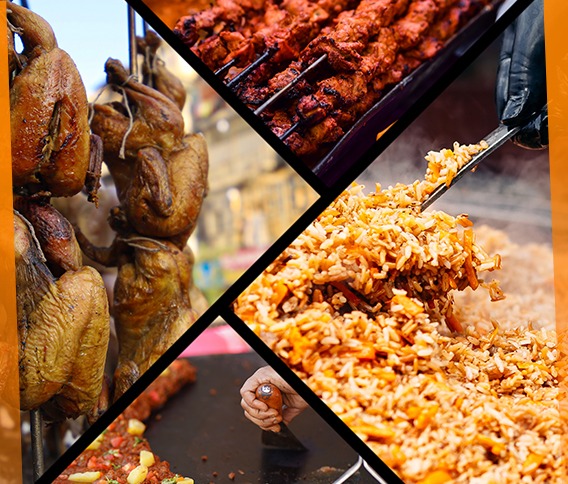
In Pakistan, spice defines everyday meals—from the kick of nihari to the sharp tang of green chutney. For many, food without spice simply feels incomplete.
Health Benefits of Spice
Beyond taste, spicy foods offer surprising health advantages:
- Boosts metabolism: Capsaicin can increase calorie burn temporarily.
- Supports heart health: Some studies link spicy diets to lower cholesterol and reduced risk of heart disease.
- Clears sinuses: Spice-induced sweating helps relieve nasal congestion.
- Acts as a mood booster: The endorphins released can elevate mood and reduce stress.
Finding Your Heat Level
Spiciness isn’t about proving toughness—it’s about balance. From mild jalapeños to Carolina Reapers, there’s a heat level for everyone. The trick is discovering how much fire enhances your food without overwhelming it. After all, spice should add to flavor, not mask it.
Spice is more than heat—it’s culture, memory, and adventure on the plate. Whether it’s a family recipe passed down generations, a street-side bun kebab laced with green chilies, or a daring dab of hot sauce, spiciness continues to bring people together in laughter, sweat, and satisfaction.